
Why Your Car Suddenly Won’t Start: Causes and Checks
Quick Answer
If your car suddenly won’t start, the cause may be a discharged battery, loose connection, failed starter, or an interrupted fuel or ignition system. First, notice whether the engine turns when you try to start it. That single clue helps separate a starting-circuit problem from an engine that cranks but cannot run.
- No lights or rapid clicking suggests a power supply problem.
- One click with no engine rotation can involve the starter circuit.
- Normal cranking without firing points toward fuel, ignition, or engine controls.
- Smoke, fuel leaks, or abnormal mechanical noises mean stop and request help.
A car that worked on the previous trip can refuse to start the next time you turn the key. A sudden failure feels puzzling because there may have been no clear warning.
This guide focuses on a complete, unexpected no-start, not an engine that merely takes longer than usual to fire. You will learn what the first failed attempt reveals, which checks are safe, and when to call for assistance.
In this article
- Why a working car can stop starting
- What the first failed start tells you
- Faults that cause a sudden no-start
- Safe checks before roadside assistance
- Clues from the last successful drive
- When a jump-start may help
- When to stop trying
- Frequently asked questions
- Conclusion
Why Would a Working Car Suddenly Stop Starting?
A car can stop starting without warning when a needed electrical, fuel, or engine-control function fails between driving and the next start. A battery may lose its remaining charge, a connection may open, or an electrical component may stop responding.
Some problems begin earlier but are easy to miss. A marginal battery can still start the engine until its available power falls too low. A relay or sensor can operate normally during one trip and fail on the next attempt.
Does sudden failure always mean a broken part?
A sudden no-start does not always mean a component has broken. An interior light left on, an unrecognized key, or a gear selector outside Park can prevent starting.
Other failures require testing before you can identify a faulty part. A battery that has lost charge may be healthy but unable to start the car because the charging system stopped working.
What Does the First Failed Starting Attempt Tell You?
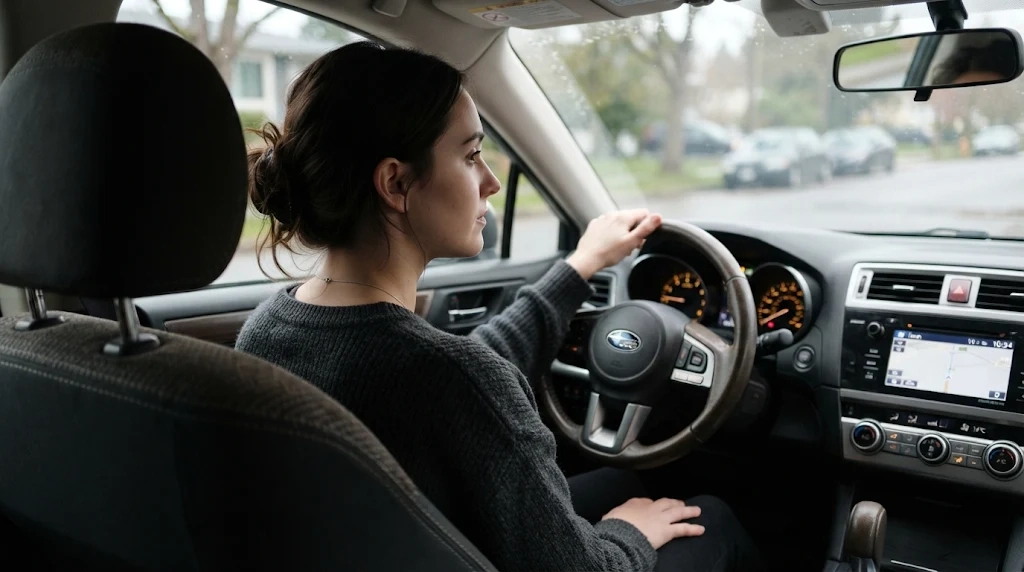
The first failed attempt tells you whether the engine is unable to turn or is turning without starting. In this guide, cranking means the starter motor is rotating the engine.
Listen once and watch the dashboard. Repeated attempts can drain the battery and make the original symptom harder to recognize.
The table matches common observations with the system worth checking first.
| What happens | Possible cause | First check |
|---|---|---|
| Dashboard stays dark | Discharged battery or lost power connection | Battery condition and cables |
| Rapid clicks | Insufficient starting power | Battery and terminal connections |
| One click, no crank | Starter, solenoid, or cable fault | Battery test, then starter circuit |
| Silence, lights still work | Starting interlock or starter control | Gear position and key warning |
| Normal crank, no start | Fuel, ignition, sensor, or timing problem | Fuel gauge and warning messages |
| Starts, then stalls | Fuel delivery or engine-control issue | Security light and stall behavior |
A sound gives you a direction for testing, not a final diagnosis. Both a weak battery and a damaged cable can cause clicking.
Which Faults Can Make a Car Suddenly Not Start?
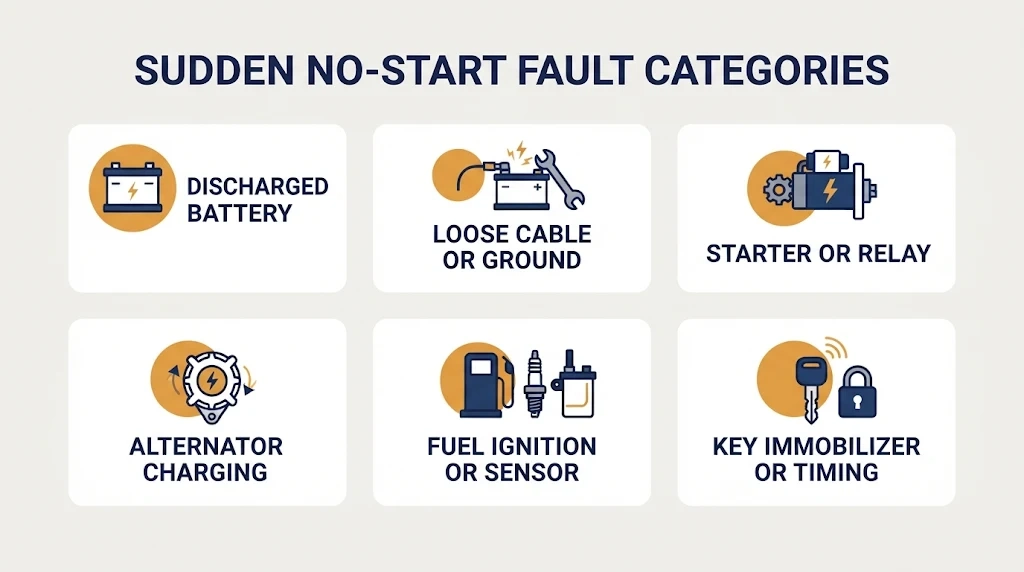
Unexpected starting failure usually involves electrical supply, the starter circuit, fuel, ignition, engine controls, or mechanical timing. The right suspicion depends on whether the engine cranks.
Battery discharged between trips
A discharged battery may no longer supply the power needed to turn the engine. The radio may still operate because it needs far less power than the starter motor.
Look for slow cranking, dim lights, or repeated clicking. If electrical power drops sharply during a start attempt, request a proper battery and cable test.
The AAA no-start guide explains how battery, starter, and electrical faults can produce different starting symptoms.
Loose battery cable or poor engine ground
A loose cable can interrupt starting power even when the battery is charged. The engine ground is the return path that completes the electrical circuit.
Inspect the battery clamps and nearby wiring with the ignition off. White or colored buildup around a terminal suggests corrosion, which can restrict electrical flow.
Do not touch exposed wiring or try to tighten a damaged connection beside a leaking battery. A technician can test voltage loss across the cables safely.
Starter motor or starting relay stops working
A failed starter motor can leave the engine silent even when the dash lights look normal. The starter relay sends the start command, while the starter motor turns the engine.
One click may come from a starter solenoid, but it is not proof that the starter needs replacing. Poor power supply and damaged cables can produce the same symptom.
A repair shop can check whether power and a start command reach the motor. That result helps distinguish a defective starter from an upstream electrical fault.
Alternator failed during the previous drive
A faulty charging system can leave the battery too weak for the next start. The alternator normally powers electrical systems and replenishes battery charge while the engine runs.
A battery warning light or unstable headlights during the last drive can be a clue. The Car Care Council system overview describes how the battery, starter, and alternator work together.
A dead battery alone does not prove alternator failure. Battery condition, cable connections, and charging output need separate checks.
Fuel pump, ignition, or engine sensor failed
A fuel or ignition failure often lets the engine crank normally without firing. A faulty fuel pump or relay can stop fuel delivery, while an ignition fault can prevent spark in a gasoline engine.
The engine computer also needs timing information from sensors. A failed crankshaft position sensor can interrupt the control signals needed to start the engine.
Check the fuel gauge and any displayed warnings first. Fuel-pressure and ignition testing involve hazards and may require professional equipment.
Key recognition or gear interlock blocks starting
A security or starting interlock can block engine starting even though the car has electrical power. An immobilizer is the anti-theft system that checks whether the key is authorized.
A flashing security symbol or a key-not-detected message points toward this system. A spare key or the manufacturer’s emergency key procedure may help.
Automatic cars normally require Park or Neutral for starting. Some push-button cars also require a brake pedal signal, while manual cars often require the clutch pedal.
Mechanical timing or engine damage
A mechanical failure may prevent starting even when the starter turns the engine. A timing belt or chain problem can disrupt the valve movement needed for combustion.
Sudden abnormal cranking, grinding, or a failure following a loud engine noise deserves special attention. Stop repeated attempts and arrange inspection rather than risk further damage.
What Can You Safely Check Before Roadside Assistance?
Safe no-start checks begin with observations and basic vehicle controls rather than removing parts. Use your owner’s manual when the starting procedure differs from a conventional gasoline car.
Step 1
Secure the parked vehicle
Apply the parking brake and select Park or the required safe gear position. Switch off unnecessary accessories.
Step 2
Observe one start attempt
Note clicking, silence, or normal cranking. Watch whether the dashboard lights fade or a warning appears.
Step 3
Confirm starting permissions
Check the gear indicator and press the required brake or clutch pedal. If the key is not detected, consult the backup starting instructions.
Step 4
Inspect the battery visually
With the ignition off, look for loose clamps, corrosion, damaged insulation, swelling, or leaks. Do not handle unsafe parts.
Step 5
Check fuel and messages
Look at the fuel gauge and any dashboard messages. Note whether a warning appeared before the last engine shutdown.
Step 6
Measure only if trained
A digital multimeter can measure battery voltage on a compatible vehicle. Follow the meter instructions and manufacturer guidance; voltage alone cannot confirm battery health.
Step 7
Record the symptom and request testing
Tell the technician what the engine did, which lights appeared, and when the car last ran normally. Ask for diagnosis before parts replacement.
These checks help narrow the fault without disturbing fuel lines, high-voltage ignition parts, or starter wiring. A professional can then perform targeted battery, circuit, and engine tests.
What Does the Last Successful Drive Reveal?
The last successful drive can help distinguish a power problem from a heat-sensitive or fuel-related fault. Think about what changed between shutting the engine off and the next start attempt.
Car drove normally, then was dead after parking
A car that drove normally but later has no cranking power may have a discharged battery or a poor connection. The charging system could also have failed during the earlier drive.
Recall whether a battery warning light appeared or any accessories were left on. These clues support a test, but they cannot prove the cause.
Engine stopped while driving and will not restart
An engine that stopped while moving may have lost fuel delivery, electrical power, or essential engine-control signals. Mechanical damage is another possibility when unusual noises preceded the shutdown.
Move out of traffic only when it is safe and possible. Use roadside assistance rather than attempting to drive a vehicle that may stall again.
Car stopped restarting immediately after refueling
A no-start after refueling may point toward a fuel or vapor-control issue rather than a dead starter. A stuck evaporative-emissions purge valve can disturb the air and fuel mixture in some vehicles.
Check the fuel level and watch whether the engine cranks normally. A technician should verify fuel pressure and vapor-system operation before replacing a valve.
When Might a Jump-Start Help a Sudden No-Start?
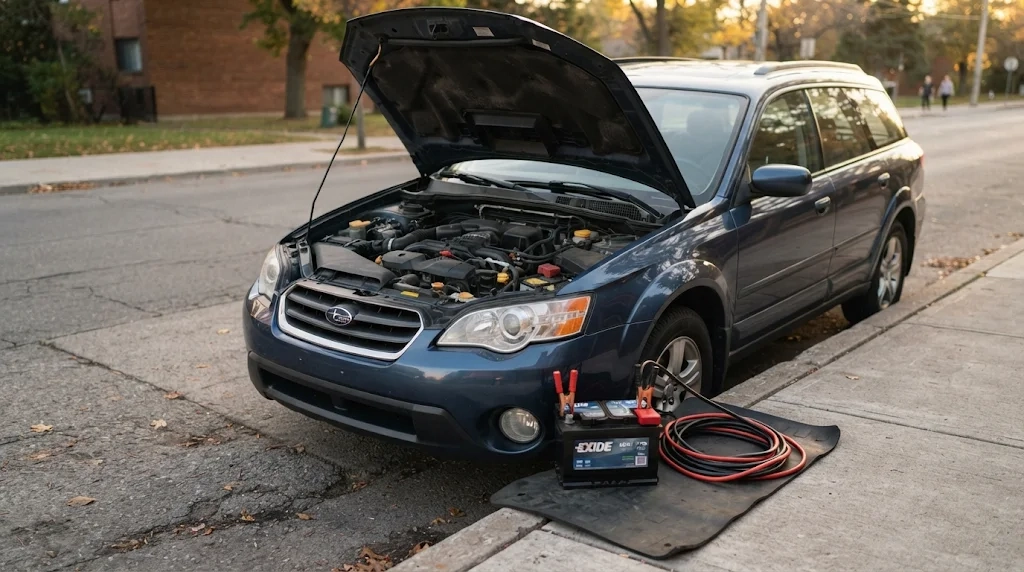
A jump-start may help if the battery cannot provide enough power to crank the engine. A successful jump suggests a starting-power problem, but it does not identify the failed component.
If the engine already cranks at its normal speed, extra battery power may not address the cause. Check the owner’s manual before attempting a jump, especially with hybrid or electric vehicles.
Follow AAA’s jump-start instructions and use the connection points specified for your vehicle. Get help if you are unfamiliar with the procedure.
Warning
A swollen, leaking, cracked, or unusually hot battery can cause serious injury. Do not jump-start or handle it; request professional assistance.
If the engine starts with a jump, have the battery and charging system tested. A temporary restart does not mean the car is safe from another breakdown.
When Should You Stop Trying to Start the Car?
Stop trying when starting attempts create a safety risk or suggest mechanical damage. More cranking will not fix a broken timing component, fuel leak, or damaged electrical connection.
Request professional help if you notice smoke, a strong fuel odor, visible leakage, a damaged battery, or grinding and unusually fast cranking. Leave pressurized fuel lines and ignition circuits to trained technicians.
If the car fails after the basic checks, avoid replacing parts by guesswork. The symptom, last successful drive, and any stored fault codes give a technician a useful starting point.
Digital Multimeter
A digital multimeter can help check battery voltage during basic electrical troubleshooting when used correctly.
Frequently Asked Questions
Can a car suddenly fail without any warning lights?
A car can refuse to start without any warning lights because some power, starter, and mechanical failures are not detected beforehand. A dark dashboard can point toward lost electrical power. Working warning lights do not prove the battery can supply enough starting current.
Why does my car start again after cooling down?
A car that starts after cooling may have a temperature-sensitive sensor, relay, electrical connection, or starter problem. Heat can change how a failing part behaves. Record whether the engine cranks during the hot failure so a technician can test the right system.
Could a repair cause a sudden starting problem?
A recent repair can be related to a no-start if a connector, fuse, ground cable, or other part was disturbed. The timing alone does not prove the repair caused it. Tell the technician what work was done and which symptoms appeared afterward.
Can a scanner find every reason a car will not start?
An OBD-II scanner cannot identify every no-start cause because many mechanical and basic electrical faults may not generate useful codes. A scanner reads information stored by supported control modules. Battery load tests, circuit checks, and mechanical tests may still be needed.
Will disconnecting the battery fix a sudden no-start?
Disconnecting the battery will not repair a dead starter, broken cable, fuel delivery problem, or damaged engine component. It may also erase diagnostic clues and reset electronic settings. Use manufacturer-approved procedures for your vehicle only when a specific reset is needed.
Could wet weather suddenly keep my car from starting?
Wet weather can contribute to a no-start when moisture reaches damaged electrical connections, ignition wiring, or control components. Rain alone should not prevent a properly sealed vehicle from starting. Repeated wet-weather failures warrant a targeted wiring and moisture-intrusion inspection by a technician.
Conclusion
If your car suddenly won’t start, identify whether the engine cranks before guessing which part failed. If basic power and starting checks do not reveal the cause, arrange a targeted diagnosis instead of making repeated starting attempts.

Alex Carter is an automotive content writer at VastAutoParts, focusing on car parts, vehicle troubleshooting, automotive tools, product research, and practical car care guides.