
Car Makes a Grinding Noise When Starting: Causes and Fixes
Quick Answer
If your car makes a grinding noise when starting, the starter gear may be clashing with the flywheel or flexplate instead of engaging smoothly. A worn starter drive, damaged ring gear, poor electrical connections, or incorrect starter mounting can cause it. Stop repeated start attempts and have the starting system checked before damage spreads.
- Grinding only while cranking often points toward starter engagement.
- Intermittent grinding can suggest damaged teeth in one ring gear area.
- Slow cranking or dimming lights make battery and cable tests worthwhile.
- Grinding that continues after the engine starts needs prompt inspection.
Hearing metal grind when you turn the key or press the start button is unsettling, especially if the engine still starts. The sound’s timing can help you tell a starter problem from a belt, pulley, or other engine noise. This guide explains what to check safely and when to stop trying to start the car.
In this article
- What the grinding noise means
- Common causes
- What the timing tells you
- Safe checks to make first
- Other sounds that seem similar
- When to stop using the car
- How a mechanic diagnoses it
- Repair options
- Preventing another grinding start
- Frequently asked questions
- Conclusion
Why Does a Car Make a Grinding Noise When Starting?
A car often grinds during startup because the starter’s small drive gear is not meshing correctly with the engine’s large ring gear. Instead of turning the engine smoothly, the gear teeth scrape or strike each other.
The starter motor uses battery power to turn the engine before combustion takes over. Its pinion gear engages teeth on a flywheel or flexplate, depending on the transmission design. Once the engine runs, the starter drive should release.
When that engagement fails, the driver may hear a brief metallic scrape, a harsh grinding burst, or a spinning sound. A grind is not proof that the starter alone has failed. The ring gear, mounting, and electrical supply also matter.
For a professional explanation of starter symptoms, see starter failure warning signs from O’Reilly Auto Parts.
Why the Flywheel and Flexplate Matter
The flywheel or flexplate carries the teeth that the starter uses to crank the engine. A manual transmission commonly uses a flywheel, while many automatic transmissions use a flexplate.
Chipped or worn teeth can prevent proper engagement, even when the starter motor itself works. Replacing the starter without checking those teeth can leave the grinding noise unchanged.
What Causes Grinding When Starting a Car?
The leading causes are starter drive wear, ring gear damage, electrical supply trouble, incorrect starter fit, and delayed starter disengagement. The noise pattern helps narrow the possibilities, but an inspection confirms the fault.
1. Worn Starter Drive Gear or Solenoid
A worn starter drive gear can scrape against the ring gear instead of engaging cleanly. The solenoid, an electrical switch and engagement device, may also fail to move the gear correctly.
You may hear a hard grind just as the engine begins to turn. Sometimes the starter also clicks or spins without cranking the engine. These symptoms justify inspection before more starting attempts.
2. Damaged Flywheel or Flexplate Teeth
Damaged ring gear teeth can cause grinding when the starter reaches a worn section. The sound may occur on some starts but not others because the engine stops in different positions.
A car that starts normally after a failed attempt can still have damaged teeth. A technician may need to inspect the ring gear through an access opening or after removing the starter.
3. Weak Battery or Poor Cable Connections
A weak battery or high-resistance cable connection can make cranking slow or uneven. Low power can complicate starter engagement, although an unmistakable metallic grind still needs a mechanical check.
Dim dashboard lights, slow cranking, or rapid clicking make battery testing useful. Corroded terminals and a poor engine ground can create similar symptoms without the battery itself being defective.
4. Loose, Incorrect, or Misaligned Starter
A loose or incorrectly fitted starter can place its drive gear at the wrong angle to the ring gear. Grinding that begins after a starter replacement deserves special attention.
Vehicle-specific mounting bolts, locating sleeves, braces, and shims must be installed as specified. Do not add or remove shims based on guesswork, since designs differ between engines.
5. Starter That Stays Engaged Too Long
A starter that remains engaged after the engine fires can produce a sharp grind or sustained whining sound. A sticking drive, solenoid, relay, or control fault may be responsible.
Continuing to run the engine with the starter engaged risks damage to both gear sets. Shut off the engine safely and arrange an inspection rather than testing the noise repeatedly.
What Does the Timing of the Grinding Noise Tell You?
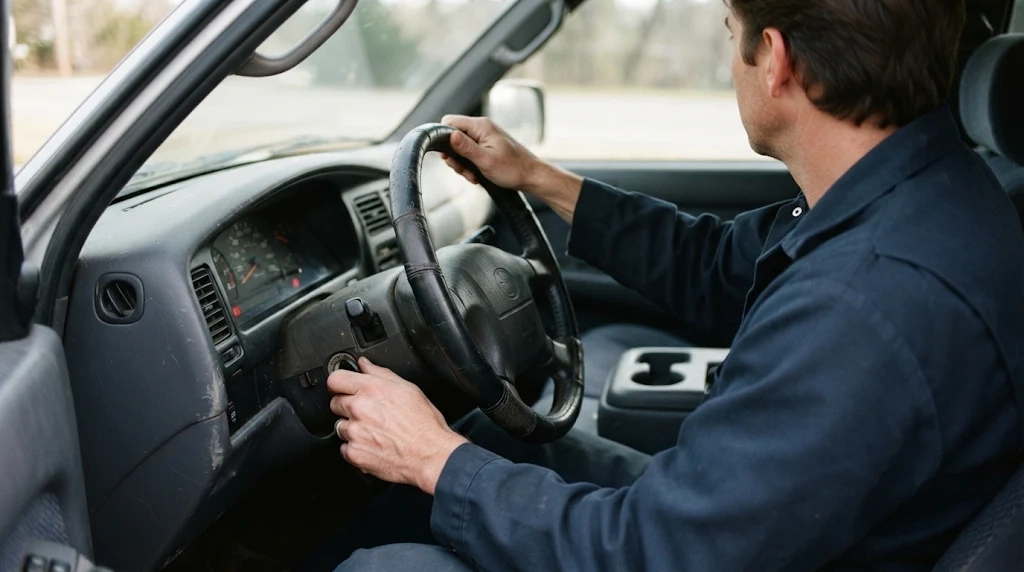
The exact moment the grinding begins is one of the most useful diagnostic clues. Listen for whether it occurs before cranking, during cranking, or after the engine starts.
The following table compares common sound patterns with the next sensible check.
| When it happens | Possible explanation | Next check |
|---|---|---|
| As cranking begins | Starter gear not engaging cleanly | Inspect starter drive and mounting |
| Only on some starts | Ring gear wear or intermittent starter fault | Inspect teeth and starter operation |
| With slow cranking | Battery or cable trouble may contribute | Test battery and connections |
| Just after engine starts | Starter may not release promptly | Inspect drive and control circuit |
| While engine idles | Pulley, accessory, or engine fault possible | Locate sound before replacing starter |
Grinding tied strictly to cranking points toward the starting mechanism. A sound that continues during normal idling needs a broader engine and accessory inspection.
How Do You Check a Grinding Noise When Starting?
Begin with simple observations and battery checks, not starter removal. Stop at any step that requires reaching moving parts, working under an unsupported vehicle, or handling live starter wiring.
- Stop repeated cranking. If the grinding is harsh or repeats, release the key or start button and avoid another test. Repeated gear contact can worsen the damage.
- Park safely. Set the parking brake, select Park or neutral as appropriate, and switch off the engine. Keep hands and tools away from belts and fans.
- Record what you noticed. Write down whether the engine cranked, whether it started, and whether the grinding came before or after ignition. Note whether it happens only when cold.
- Look at the battery terminals. With the engine off, check for obvious corrosion, loose clamps, or damaged cables. Do not touch exposed wiring or attempt repairs if you are unsure.
- Arrange a battery and charging-system test. A technician can check battery condition and voltage loss through the starting circuit. A digital multimeter is useful for trained owners following vehicle-specific instructions.
- Request a starter and ring gear inspection. If the electrical checks pass, ask for verification of starter fit, drive action, and flywheel or flexplate teeth before replacing parts.
A battery test is a starting point, not a final diagnosis. A charged battery does not rule out a bad solenoid, worn pinion gear, or ring gear damage.
AAA’s guidance on starter problems and diagnosis also recommends a professional test when unusual starting noises appear.
Is It Starter Grinding or Another Startup Noise?
Starter grinding is often a harsh, metallic sound during engine cranking, while other startup noises have different timing and tone. Distinguishing them helps avoid replacing the wrong part.
Use this comparison to describe the noise accurately to a repair shop.
| Sound | Typical clue | Possible area |
|---|---|---|
| Metallic grinding | During cranking | Starter drive or ring gear |
| Rapid clicking | Engine barely cranks | Battery or connections |
| Fast whirring | Motor spins, engine does not crank | Starter drive engagement |
| High-pitched squeal | After engine catches | Belt or pulley |
| Rattle or knocking | Continues with engine running | Engine, shield, or accessory |
For more on accessory noises, AAA explains how belts and pulleys can squeal or grind. An unusual sound after the engine is already running is not automatically a starter problem.
When Should You Stop Using the Car?
Stop attempting to start the car if the grinding is severe, repeated, or continues after the engine fires. These patterns can mean the starter and ring gear are damaging each other.
Also stop if you notice smoke, a burning electrical smell, or an unusual sound that persists while the engine runs. Do not drive simply because the car starts successfully once.
Warning
Repeated metallic grinding can damage starter and ring gear teeth. Stop further cranking and arrange inspection or towing instead.
If you are already parked somewhere safe, leaving the vehicle off may prevent further damage. A repair shop can advise whether towing is appropriate for your exact symptoms.
How Does a Mechanic Find the Exact Grinding Fault?
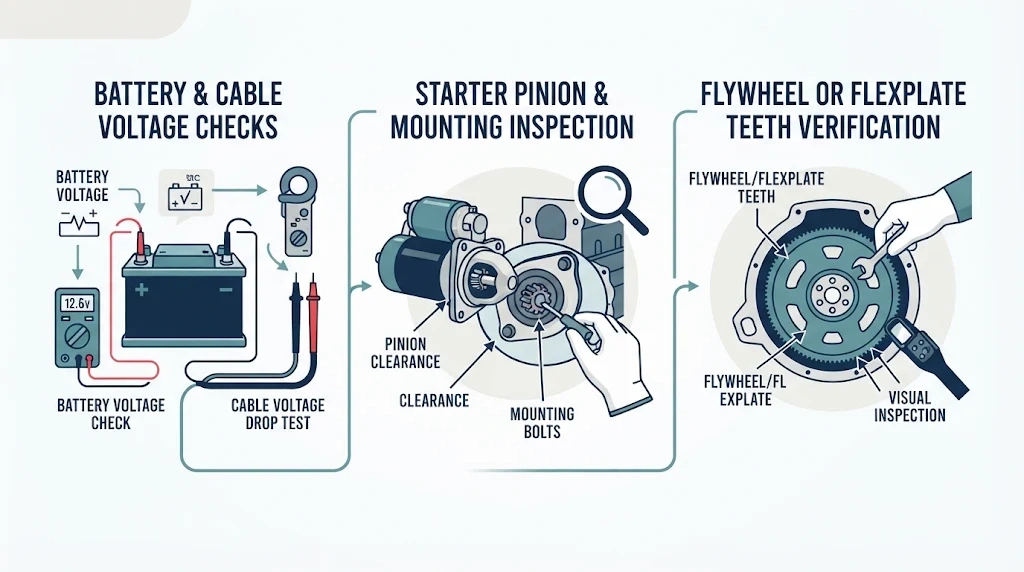
A mechanic diagnoses startup grinding by checking the electrical supply, starter operation, and ring gear condition together. Replacing one part based only on sound can miss the actual cause.
Testing usually begins with a battery load test and inspection of cable connections and engine grounds. The technician may measure voltage loss during cranking and verify that the starter receives the proper control signal.
If the electrical system checks out, the focus moves to the starter’s pinion, mounting, and solenoid action. The mechanic also checks for worn or broken teeth on the flywheel or flexplate.
A grinding sound that started after a repair calls for checking part compatibility and installation. The wrong starter design or incorrect mounting hardware can create gear contact problems.
Photos of damaged teeth and test results can help you understand the proposed repair. Ask whether the ring gear was inspected before approving a starter replacement.
What Repairs Can Stop Grinding During Startup?
The right repair depends on whether the problem is electrical, inside the starter, or on the ring gear. A sound alone cannot establish which part should be replaced.
- Battery or cable service: Correct low charge, poor connections, corrosion, or a damaged ground cable after testing.
- Starter replacement: Replace a starter with a confirmed failed drive, solenoid, or internal motor fault.
- Mounting correction: Install the correct starter and required mounting hardware to vehicle specifications.
- Ring gear repair: Repair or replace damaged flywheel or flexplate components when inspection confirms tooth damage.
- Control circuit repair: Fix a sticking relay, switch, or related fault that keeps the starter engaged.
Ring gear work can require more disassembly than a starter replacement, depending on vehicle design. A written diagnosis can help distinguish a necessary repair from unnecessary parts swapping.
How Can You Prevent Another Grinding Start?
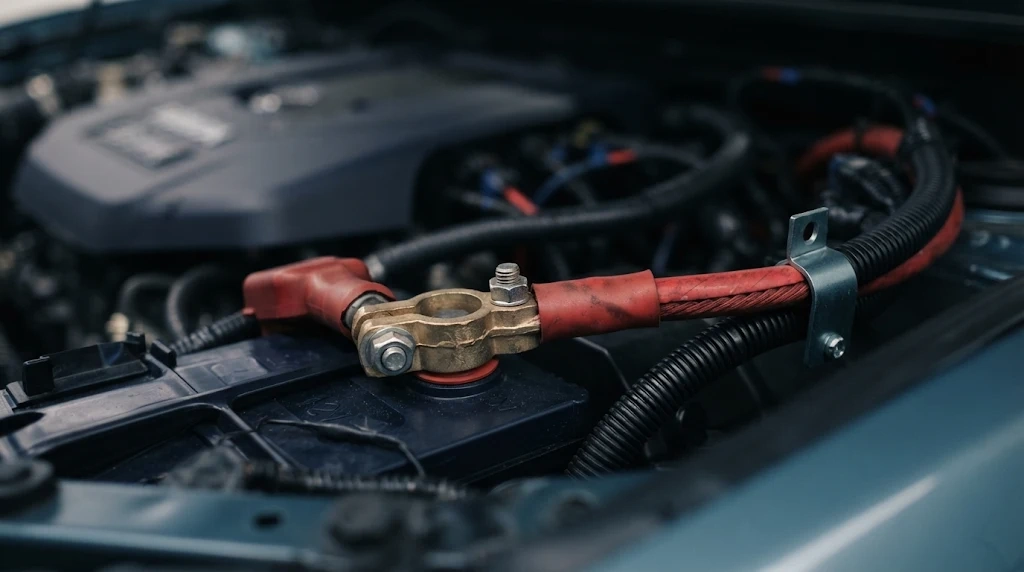
Preventing repeated startup grinding starts with correcting the original cause and confirming clean gear engagement after the repair. A newly fitted starter should not be treated as the whole solution if the ring gear is damaged.
Keep battery terminals secure, address slow cranking promptly, and use the vehicle’s normal starting procedure. Avoid holding a conventional ignition key in the start position after the engine catches.
If the noise returns, document when it occurs rather than repeatedly trying to reproduce it. Returning with a clear symptom record may help the shop diagnose an intermittent problem.
Digital Multimeter
A digital multimeter can help with basic battery voltage checks when used with the correct vehicle instructions.
As an Amazon Associate I earn from qualifying purchases.
Frequently Asked Questions
Will a jump start fix a grinding noise?
A jump start may help when a weak battery prevents proper cranking, but it will not repair damaged gears or a failing starter drive. If a metal grinding sound remains, stop trying to start the engine and arrange an inspection. Follow your owner’s manual before jump-starting any vehicle.
Can a car grind at startup without warning lights?
A vehicle can make a grinding noise during startup without displaying a dashboard warning light because mechanical starter faults may not trigger one. The absence of a warning does not confirm that the starter or ring gear is healthy. Use the sound and test results to guide diagnosis.
Does cold weather make starter grinding more noticeable?
Cold weather can make an existing starting problem more noticeable by reducing battery performance and changing cranking behavior. However, a repeated metallic grind still warrants inspection of the starter and ring gear. Do not assume that the sound is normal just because it happens on cold mornings.
Can low engine oil sound like grinding during startup?
Low engine oil can contribute to harmful engine noise, but that sound is different from starter gears clashing during cranking. If the oil-pressure warning remains on or the engine makes severe mechanical noise, shut it off safely. Have the engine checked before running it again.
Do all hybrid cars have a conventional starter motor?
Not all hybrid vehicles use the same engine starting mechanism as a conventional gasoline car. Some use a motor-generator system instead of a typical starter pinion and ring gear arrangement. Consult vehicle-specific service information rather than assuming that every startup noise comes from a conventional starter.
Should I record the grinding noise for my mechanic?
A short recording can help a mechanic distinguish grinding during cranking from a squeal or rattle after startup. Record only from a safe position without reaching into the engine bay. Do not repeat a damaging start attempt just to capture the noise.
Conclusion
When starting a car makes a grinding noise, poor starter engagement is a strong possibility, but battery, mounting, and ring gear faults also deserve attention. If the grinding repeats or continues after startup, stop cranking and have the complete starting system inspected before replacing parts.

Alex Carter is an automotive content writer at VastAutoParts, focusing on car parts, vehicle troubleshooting, automotive tools, product research, and practical car care guides.