
How to Start a Vehicle With a Bad Ignition Switch Safely
Quick Answer
To start a vehicle with a bad ignition switch, first rule out a dead battery, a locked steering wheel, a worn key, and an incorrect gear position. These checks may restore normal starting if the switch is not the real cause. A failed switch cannot be safely fixed by a starting trick, so arrange professional repair instead.
- Park safely, apply the parking brake, and confirm the correct starting gear.
- Check dashboard lights and battery symptoms before blaming the ignition switch.
- Try the spare key or gently release a loaded steering wheel lock.
- Use the owner’s manual for any key fob backup starting procedure.
- Stop and request roadside assistance if the vehicle still will not start.
Turning the key and getting no response can leave you stranded without a clear cause. If you suspect a bad ignition switch, first check problems that can mimic it. This guide explains which checks are reasonable and when to stop trying.
In this article
- Can You Start a Car With a Faulty Ignition Switch?
- How to Start a Vehicle When the Ignition Seems Bad
- How Do You Know the Ignition Switch Is Bad?
- What Does Each No-Start Symptom Suggest?
- What If the Key Will Not Turn in the Ignition?
- Is the Battery or Starter Causing the Problem?
- Can You Bypass a Broken Ignition Switch?
- Is It Safe to Drive After the Engine Starts?
- What Does a Mechanic Check Before Replacing the Switch?
- When Is Ignition Switch Replacement Necessary?
- What Should You Do If You Are Stranded?
- Frequently Asked Questions
- Conclusion
Can You Start a Car With a Faulty Ignition Switch?
A car with a partly failing ignition switch might start sometimes, but a completely failed switch may prevent normal starting. Whether it starts depends on which internal circuits still work.
The ignition switch helps deliver electrical power to systems needed for starting and running the engine. Some vehicles use a mechanical key and switch. Others use electronic start controls and a key fob.
A worn contact may work during one attempt and fail during the next. That makes an occasional successful start a poor sign of reliability.
Do not assume the switch is faulty because the engine will not start. A weak battery, bad starter, security-system fault, or locked steering column may produce similar symptoms.
How to Start a Vehicle When the Ignition Seems Bad
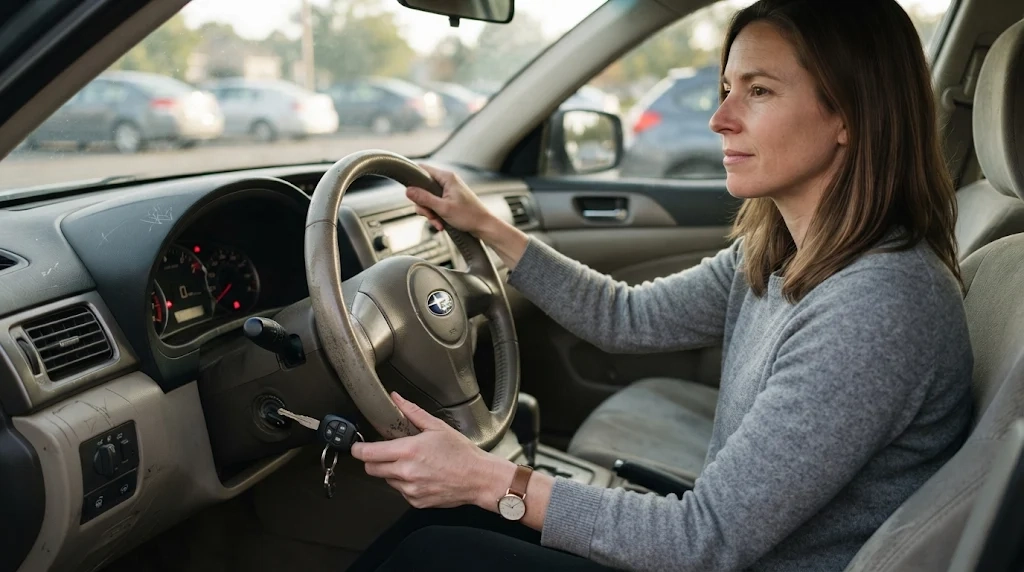
Start with ordinary vehicle controls and simple checks that do not bypass the ignition or vehicle security system. These steps can identify a different cause and may let the car start normally.
- Make the vehicle safe. Stop in a secure location, apply the parking brake, and keep your foot on the brake. For an automatic transmission, select Park. For a manual transmission, follow the owner’s manual and fully depress the clutch when required.
- Look for normal electrical power. Check whether the dashboard, interior lights, and headlights respond. Weak or missing lights may point to a battery or connection problem instead of an ignition switch failure.
- Check the key and steering lock. If the key will not turn, gently move the steering wheel from side to side while turning the correct key. Do not twist the key hard or force the steering column.
- Try your authorized spare key. A worn or damaged key can fail to operate the lock cylinder. If a spare works normally, arrange key service rather than replacing the switch without testing.
- Confirm the starting position. In an automatic vehicle, make sure the selector is fully in Park. If the owner’s manual permits starting in Neutral, follow that procedure while holding the brake.
- Check the key fob instructions. In a push-button vehicle, a weak fob battery may prevent key recognition. Follow the manufacturer-approved backup recognition method described in your manual.
- Stop if the fault remains. If the car still fails to start, call a qualified technician or roadside assistance. Further attempts should not involve exposed wires, forced locks, or improvised starter connections.
The AAA no-start troubleshooting guide also describes battery, steering-lock, key, and transmission-position checks. A successful start after one of these checks does not confirm that the ignition switch needs replacement.
How Do You Know the Ignition Switch Is Bad?
A faulty ignition switch may cause inconsistent starting, loss of dashboard power, or unexpected engine shutdown. These symptoms are warning signs, not a final diagnosis.
- The key turns, but the starter does not respond.
- Dashboard lights or electrical accessories behave inconsistently with the key position.
- The vehicle starts on some attempts but not others.
- The engine shuts off unexpectedly while running.
- The key feels stuck, although a worn key or lock cylinder can also cause this.
Several faults can appear at once. For example, corrosion at a battery connection can interrupt electrical power and resemble an ignition problem.
A technician should compare the symptoms with voltage and circuit tests. The goal is to identify the failed part rather than replacing several parts by guesswork.
What Does Each No-Start Symptom Suggest?
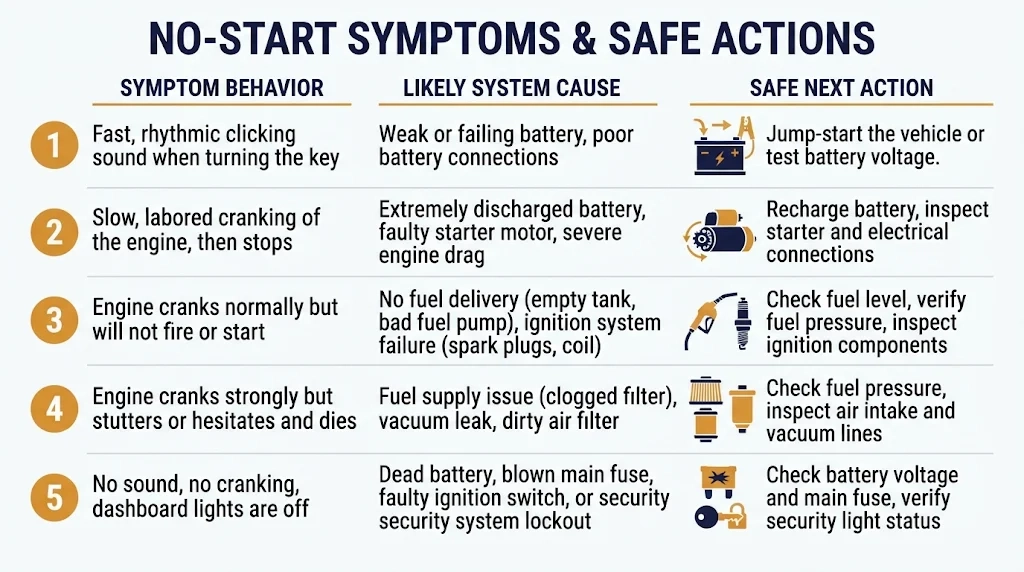
The way a vehicle fails to start provides a useful clue about where the problem may be. The table compares symptoms without treating any one symptom as proof.
| What happens | Possible cause | Safer next step |
|---|---|---|
| No dash lights or cranking | Battery, cables, main power supply | Request a battery and connection check |
| Key will not turn | Steering lock, worn key, lock cylinder | Ease steering pressure and try a spare key |
| Lights work, but no crank | Switch, starter circuit, interlock | Confirm gear position and arrange diagnosis |
| Engine cranks but never starts | Fuel, ignition, engine control, immobilizer | Record warning lights and seek testing |
| Engine stalls while driving | Switch, power supply, or other engine fault | Stop safely and arrange a tow |
The main distinction is between a no-crank condition and an engine that cranks but does not run. Those cases require different diagnostic checks.
What If the Key Will Not Turn in the Ignition?
A key that will not turn may be blocked by steering-lock pressure or a damaged mechanical lock. This problem does not automatically mean the electrical ignition switch has failed.
With the vehicle safely parked, gently move the steering wheel while applying normal turning pressure to the key. A front tire pressed against a curb can increase steering-lock pressure.
Try an authorized spare key if one is available. A key worn at its edges may no longer move the lock cylinder correctly.
Warning
Forcing a stuck key can break it inside the lock. Stop if gentle pressure fails and contact an automotive locksmith.
If the key remains stuck, the lock cylinder or steering-lock mechanism may need service. Ask the technician to distinguish a mechanical problem from an electrical switch problem.
Is the Battery or Starter Causing the Problem?
Battery and starter faults are common alternatives to a failed ignition switch. The starting noise and electrical behavior help separate them.
What if the dashboard is dark?
A dark dashboard can indicate a discharged battery, poor battery connections, or another power supply fault. Check whether the headlights and interior lights respond before focusing on the switch.
Battery terminals should be inspected only when you can do so safely. If the battery is damaged, leaking, or hot, do not handle it.
What if you hear clicking?
Clicking during a start attempt can point to weak battery power or a starter-related fault. A single click and rapid repeated clicks may suggest different problems.
Noise alone does not identify the failed component. Ask for a battery load test and starting-circuit diagnosis if the cause is unclear.
What if the engine cranks normally?
An engine that cranks normally but will not run may have a fuel, spark, sensor, or security-system problem. An ignition switch is only one possibility.
Observe whether a security indicator stays lit or flashes. Report that detail to the mechanic rather than trying to defeat the vehicle’s immobilizer.
Can You Bypass a Broken Ignition Switch?
Bypassing an ignition switch is not a safe roadside repair. Direct wiring and improvised starter connections can cause shorts, unexpected vehicle movement, or damage to security and electrical systems.
Starting a vehicle without its normal key or start control also creates theft-protection concerns. A wiring method copied from another model may not match your vehicle’s circuit design.
Do not use a screwdriver to force the lock cylinder or connect battery power directly to starter or ignition wiring. These actions do not diagnose the actual fault.
If the vehicle cannot be started through manufacturer-approved controls, the next step is a tow or an automotive locksmith. A qualified technician can test the circuit without disabling built-in safeguards.
Is It Safe to Drive After the Engine Starts?
Driving with a suspected failing ignition switch is risky because the engine or vehicle electrical systems may lose power unexpectedly. An engine that starts after several attempts is not necessarily safe to drive.
An unexpected stall may reduce steering or braking assistance, depending on the vehicle. If the engine stalls on the road, maintain control and move to a safe location when possible.
Do not turn the key to the steering-lock position or remove it while the vehicle is moving. Follow the emergency stopping instructions in the owner’s manual.
If the vehicle has already stalled while driving, request a tow instead of trying to drive it to the shop. For vehicle-specific safety concerns, use the NHTSA recall lookup.
What Does a Mechanic Check Before Replacing the Switch?
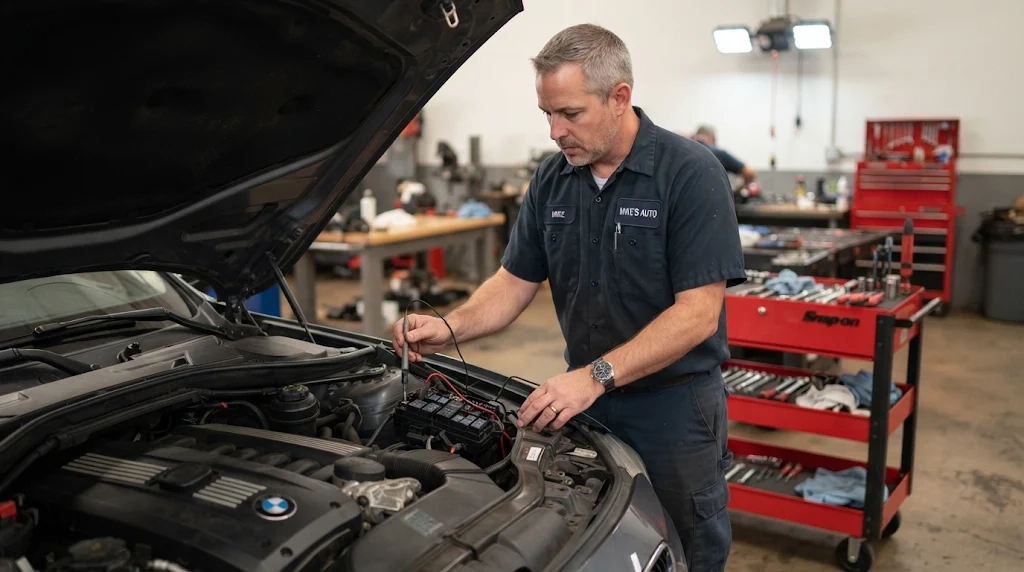
A technician should confirm the power supply, starting controls, and switch operation before recommending replacement. The ignition switch is part of a larger electrical and security system.
- Battery condition and terminal connections.
- Ignition and starter fuses, relays, and related wiring.
- Electrical outputs from the switch in its normal positions.
- Starter and transmission interlock operation.
- Key recognition, immobilizer warnings, and stored fault codes.
- Mechanical wear in the key and ignition lock cylinder.
A useful ignition switch diagnosis guide explains why no-crank, key-binding, and stalling symptoms need different checks. Testing the entire circuit helps avoid unnecessary part replacement.
On some vehicles, repairing the electrical switch is separate from replacing the mechanical lock cylinder. Other designs may require security-system programming after parts are changed.
When Is Ignition Switch Replacement Necessary?
Ignition switch replacement is necessary when testing confirms the switch cannot reliably supply its required circuits. A mechanic should also inspect connected wiring and the lock mechanism for separate faults.
Replacement parts must match the vehicle’s make, model, and starting system. A part that fits physically may still be incompatible with its electrical or security controls.
Ask the repair shop whether the original keys will still work and whether programming is needed. The answer depends on the component being replaced.
Do not remove steering-column covers or work around airbag wiring without vehicle-specific service instructions and suitable training. A professional repair is a safer choice for most owners.
What Should You Do If You Are Stranded?
If the normal starting checks fail, focus on protecting yourself and arranging reliable transportation. Keeping the vehicle safe matters more than forcing another start.
- Move yourself and passengers away from traffic when it is safe to do so.
- Use hazard lights or roadside warning measures as appropriate for your location.
- Tell roadside assistance whether the key turns and whether the engine cranks.
- Mention any flickering dashboard lights, security warnings, or past stalling.
- Request a tow to a qualified shop if the ignition fault remains unresolved.
Record the symptoms while they are easy to remember. Intermittent faults can be difficult to reproduce, so precise observations help the repair technician.
Ignition Switch
If a mechanic confirms switch failure, compare replacement parts that match your vehicle’s exact specifications.
Frequently Asked Questions
Will jump-starting fix a faulty ignition switch?
Jump-starting can help when a weak battery prevents starting, but it does not repair a failed ignition switch. If battery voltage is adequate and the switch cannot supply the starting circuit, extra battery power will not restore its internal contacts. Have the fault diagnosed instead of repeating unsuccessful attempts.
Do you need a new key after ignition switch replacement?
Replacing an ignition switch does not always require a new key because the electrical switch and mechanical lock can be separate components. Replacing the lock cylinder or certain security-system parts may change key requirements. Ask the repair shop whether existing keys and immobilizer programming will remain compatible.
Can a diagnostic scanner prove the ignition switch failed?
A diagnostic scanner may show related fault codes, but a code alone cannot always prove that the ignition switch has failed. Mechanics may also need electrical measurements and checks of wiring, relays, and security controls. A normal scan does not rule out every intermittent switch problem.
Does a push-button car have the same ignition problem?
A push-button vehicle can have starting-control faults, but its design may differ from a traditional key-operated ignition switch. A weak key fob battery, faulty brake-pedal input, or electronic control issue can prevent starting. Follow the vehicle manual before assuming the start button itself needs replacement.
Can roadside assistance repair the switch where you stopped?
Roadside assistance may diagnose a simple battery problem, but ignition switch repair often requires workshop testing and access to vehicle-specific parts. On-site services vary by provider and location. Explain the symptoms when calling so the operator can arrange suitable help or towing.
How can you explain an intermittent no-start to a mechanic?
An intermittent no-start is easier to investigate when you describe exactly what the dashboard, key, and engine did during each failed attempt. Say whether the engine cranked, clicked, stalled, or showed a security warning. Mention whether a spare key or normal steering-lock release changed the result.
Conclusion
How to start a vehicle with a bad ignition switch begins with checking the battery, key, steering lock, and normal starting controls. If those checks fail or the vehicle has stalled unexpectedly, stop trying to start it and arrange professional diagnosis and repair.

Alex Carter is an automotive content writer at VastAutoParts, focusing on car parts, vehicle troubleshooting, automotive tools, product research, and practical car care guides.