
Car Won’t Start After Cleaning Battery Corrosion? 5 Checks to Fix It
Quick Answer
Yes, an immobilizer can prevent a car from starting when it fails to recognize the key. The system checks the key code before it allows fuel and spark, so the engine may crank without firing or nothing may happen at all. A spare key test and a fob battery check fix many cases.
- A flashing or solid security light is the clearest clue.
- A weak fob battery or a damaged key chip is the most common cause.
- Try the spare key first: if it starts the car, the fault is in the key.
- A scan by a locksmith or dealer finds faults inside the car.
You turn the key or press the button and nothing happens, or the engine cranks and never catches. A security light glows on the dash, and the car that ran fine an hour ago now refuses to start. This guide explains how the immobilizer blocks a start, how to read the signs, and which checks to run before you call for help.
In this article
- How Does an Immobilizer Stop a Car From Starting?
- What Are the Signs of an Immobilizer Problem?
- Why Does an Immobilizer Block the Right Key?
- Is It the Key or the Car?
- What to Check Before You Call for Help
- When to Call a Locksmith or a Dealer
- Can You Bypass or Disable an Immobilizer?
- Frequently Asked Questions
- Conclusion
How Does an Immobilizer Stop a Car From Starting?
An immobilizer stops a car from starting by cutting fuel, spark, or the starter until the key proves itself.
The key holds a small transponder chip, a passive device that sends a code when the car powers it. An antenna ring around the ignition reads that code and passes it to the engine control unit, the computer that runs the engine. The control unit compares the code with the one stored in its memory.
A match releases the engine systems, and the car starts as normal. A mismatch keeps fuel and spark switched off, so the engine cranks without firing or refuses to crank at all. The system works on its own each time you start the car, with no switch to set.
The National Highway Traffic Safety Administration lists immobilizing devices among the systems that stop thieves from bypassing the ignition and hot-wiring a car.
The system guards the start, not the car itself. It does not stop a break-in, a tow, or a stolen key from driving the car away. That limit matters when you judge whether the immobilizer is the cause of a no-start.
What Are the Signs of an Immobilizer Problem?
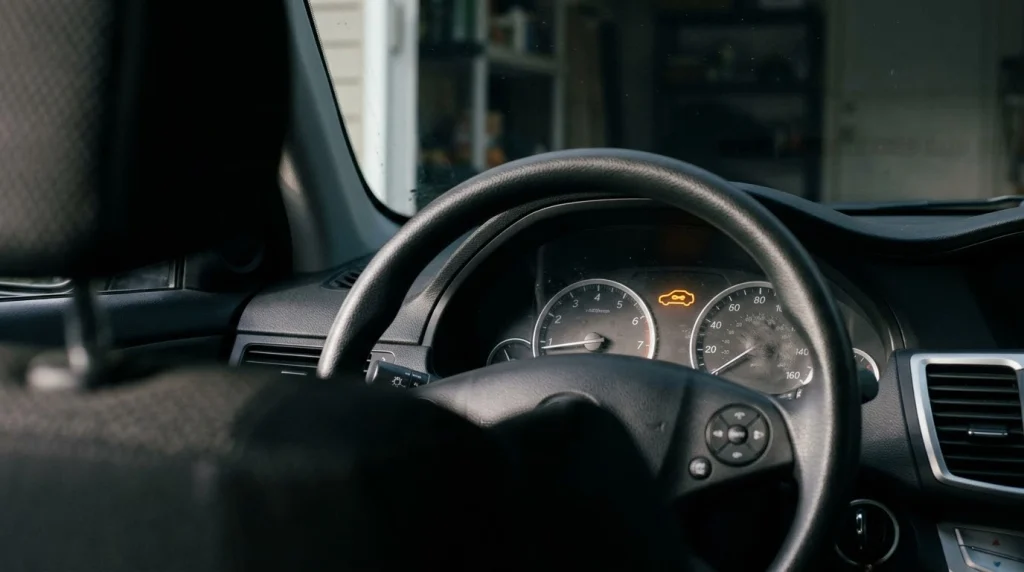
The clearest sign of an immobilizer problem is a security light that stays on or flashes while the engine refuses to start.
The light often looks like a car with a key inside it, or a padlock symbol. The light may glow solid, flash fast, or blink and then stay on. The exact shape varies by make, so check the symbol against the owner’s manual.
The engine may crank at full speed and never fire, which means the starter works but fuel or spark stays blocked. Some cars do not crank at all, and the dash lights stay bright. A third pattern is an engine that fires and then cuts out after about 1 to 2 seconds.
When the starter turns but the engine never catches, the pattern matches a car cranks but won’t start fault, and the immobilizer is one cause to check.
If the engine fires and then dies within a second or two, read the guide on a car that starts and then dies to compare the patterns.
A guide to immobilizer fault symptoms maps each light pattern to its likely cause, from a key the car fails to recognize to a wiring fault.
The security light pattern points to the likely fault, as this table shows.
| Security light | What it means | First check |
|---|---|---|
| Solid light, engine cranks | Key not recognized | Try the spare key |
| Fast flash, no crank | Immobilizer lockout active | Check the fob battery and key chip |
| Slow flash, starts sometimes | Antenna or wiring fault | Have the ignition ring and wiring checked |
| Light off, still no start | Immobilizer likely not the cause | Check the battery, starter, and fuel system |
A light that stays on or flashes fast points to the security system, while no light at all points elsewhere.
Why Does an Immobilizer Block the Right Key?
An immobilizer blocks the right key when one link in the key-to-car chain fails, even though the key itself looks fine.
The most common break is a weak fob battery. The remote may still open the doors while the transponder signal grows too weak for the car to read. A dropped or wet key can also crack the chip inside, which kills the code without any visible damage.
Car-side faults break the chain too. The antenna ring around the ignition can fail, wiring can corrode, and the module that stores the security codes can lose its data. Low voltage from a weak car battery can confuse the module, so the system rejects a good key.
A new or replacement key causes the same symptom when it was never programmed to the car. The blade turns, but the chip holds no code the car accepts. Aftermarket alarms and remote starters can also disturb the handshake when they tap into the immobilizer circuit.
Cold weather can expose a weak battery, which then trips the immobilizer even though the key is fine.
Is It the Key or the Car?
A spare key test answers the question fast: if the spare starts the car, the fault sits in the key, not the car.
Key-side faults include a dead fob battery, a damaged chip, and a key that was never programmed. Vehicle-side faults include a failed antenna ring, broken wiring, and a module that lost its codes. The fix and the bill differ a lot between the two, so the split matters.
Crank behavior adds a second clue. A strong, steady crank with no start points to fuel or spark blocked by a key the car fails to recognize.
No crank with a flashing security light points to a starter lockout, often from the key or antenna. No crank and no light at all points away from the immobilizer.
A car that has power but won’t start with bright dash lights may still be an immobilizer lockout, so check the security light first.
What to Check Before You Call for Help
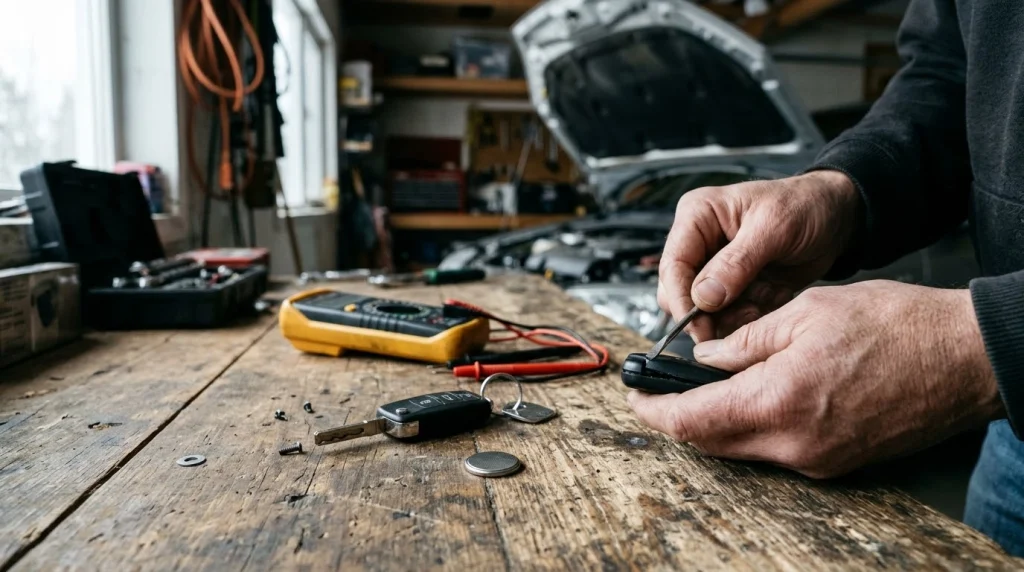
Five quick checks take about five minutes and separate a key fault from a vehicle fault before you spend money on a repair.
Work through them in order and stop when one step changes the behavior. Note the security light pattern as you go, since it is the most useful clue you can give a locksmith or technician.
Step 1
Try the spare key
Start the car with the spare key. If it works, the fault is in the first key or its chip.
Step 2
Replace the fob battery
Fit a fresh coin cell in the fob, using the size listed in the owner’s manual. A weak battery can block the signal even when the doors still open.
Step 3
Read the security light
Turn the key to On without starting and watch the light. A solid or fast-flashing light means the car rejects the key.
Step 4
Check the car battery voltage
A battery below about 12.2 volts at rest can confuse the immobilizer module. Charge or replace a weak battery and try again.
Step 5
Wait, then scan for codes
Lock the car, wait about 10 to 15 minutes, and try again. If the fault stays, an OBD2 scanner or a shop scan can read the stored fault codes.
If the checks leave you unsure, the full guide to diagnose a car that won’t start walks through battery, starter, and fuel tests in order.
Tip
Write down the security light pattern and whether the spare key worked before you call. Those two facts tell a locksmith which tools to bring.
When to Call a Locksmith or a Dealer
Call a locksmith or a dealer when no key starts the car, or when the checks above change nothing.
A locksmith can cut and program a new transponder key, reprogram a key that lost its pairing, and trace antenna and wiring faults. Many carry scan tools that read the security module. A dealer is the better call when the module itself failed or the car needs dealer-only access to its security data.
Have the facts ready: the make and model, push-to-start or turn-key, whether the spare key worked, and the security light pattern. Key-side repairs are often the cheapest outcome, while module work costs more and can take longer.
A scan reads fault codes from the security module and shows whether the key, the antenna, or the module failed. Ask the shop to name the code and the part it points to before you approve a repair. That record also helps if a second shop must pick up the job.
Choose a locksmith when the fault points to the key, and choose a dealer when the fault points to the module or the car’s software. Either way, ask for the fault code and a written quote before work starts. A quote that names the fault and the fix is a diagnosis, while a flat price given over the phone is a guess.
A reset fails on hardware faults such as a damaged chip or a bad antenna ring, and a scan of the security module is then needed. Basic scanners often cannot reach the anti-theft module, so a shop scan may still be needed.
Can You Bypass or Disable an Immobilizer?
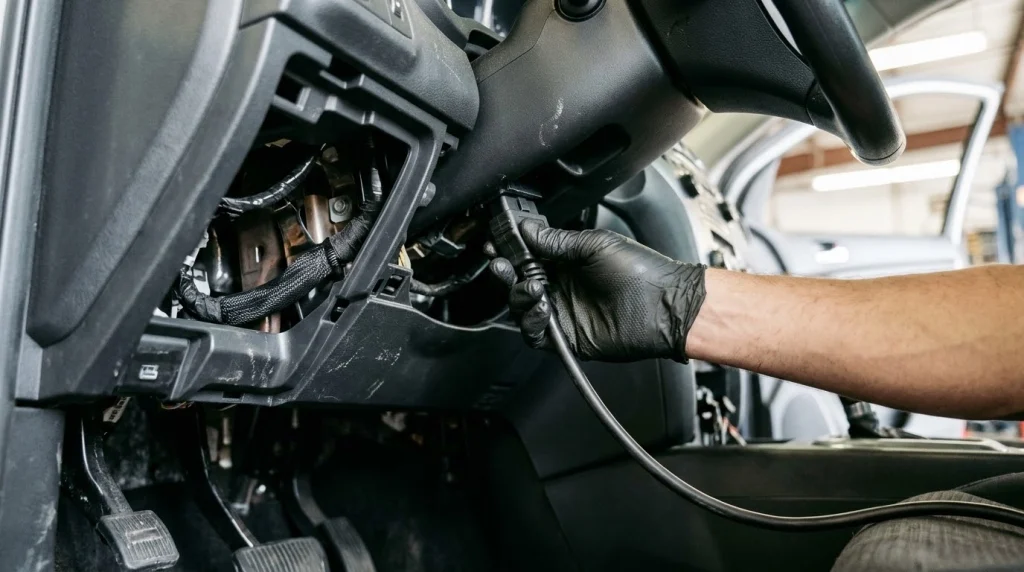
No safe do-it-yourself bypass exists for a factory immobilizer, and trying to defeat one can leave the car worse off.
The system locks out the engine control module when it sees a wrong key or a bypass attempt, so hot-wiring fails by design. NHTSA confirmed this behavior in a ruling on theft protection standards, noting that a locked control module leaves the car unable to move under its own power.
Bypassing also weakens theft protection and can affect an insurance claim after a theft. Some shops fit bypass modules for remote starters, but that work needs a pro install and a programmed key hidden in the car. The honest fix is to repair the fault, not to remove the system.
Do
- Try the spare key before you book a repair
- Note the security light pattern each time
- Keep a programmed spare key at home
Avoid
- Do not keep cranking a locked-out car
- Do not cut immobilizer wiring to force a start
- Do not buy a new key before a scan names the fault
If the car still will not start after the checks, stop cranking and book a scan. Repeated attempts can flood the engine, drain the battery, and trigger a longer lockout on some cars.
Warning
Do not cut or bridge immobilizer wiring to force a start. A wrong cut can damage the engine control module, so call a locksmith instead.
A scan gives you the fault code and the part behind it, so you pay for a fix instead of a guess.
OBD2 Scanner
An OBD2 scanner reads engine fault codes that help narrow a no-start cause, though basic models often cannot reach the anti-theft module.
Frequently Asked Questions
Will a dead key fob battery stop the car from starting?
A dead fob battery can stop a push-to-start car from starting, since the car fails to sense the fob. Turn-key cars often still start, because the transponder chip draws power from the ignition ring. Replace the fob battery first, then test the spare key.
Can a weak car battery trigger the immobilizer?
A weak car battery can trigger an immobilizer fault, since low voltage confuses the module that reads the key. A battery below about 12.2 volts at rest is a suspect, so charge or test it before you blame the key. Jump starting helps only when low voltage caused the block.
Can I reset the immobilizer myself?
A driver can clear some immobilizer glitches with a spare key, a fresh fob battery, or a short battery disconnect. These steps fail on hardware faults such as a damaged chip, a bad antenna ring, or a module that lost its codes. A scan then names the fault that a reset cannot fix.
Does jump starting help an immobilizer problem?
Jump starting helps an immobilizer problem only when a weak car battery caused the block. A jump start cannot fix a damaged key chip, a failed antenna ring, or a module fault. If the car still fails to start with a strong battery, the fault lies in the key or the system.
Can an immobilizer shut the engine off while driving?
An immobilizer rarely shuts an engine off while driving, since most systems only block the start. A security light that comes on while driving signals a communication loss, so pull over safely and avoid switching the engine off. A scan can then find the fault before the car refuses to restart.
How long does an immobilizer lockout last?
An immobilizer lockout often clears after about 10 to 15 minutes with the key out and the car locked. Some systems need a full relearn at a shop, and repeated failed starts can extend the lockout. If the light stays on after a wait, book a diagnostic scan.
Conclusion
An immobilizer can prevent a car from starting whenever the key fails its code check, and the security light is the clue that names it. Try the spare key and a fresh fob battery first, and if the light stays on, book a scan before you replace any part.

Alex Carter is an automotive content writer at VastAutoParts, focusing on car parts, vehicle troubleshooting, automotive tools, product research, and practical car care guides.