
Ignition Switch Replacement Cost: Parts and Labor
Quick Answer
Replacing a faulty ignition switch typically costs $244 to $315 for parts and labor, according to RepairPal. Some repairs cost $200 to $550 or more, depending on the vehicle and repair requirements. The final bill depends on switch design, labor rates, diagnosis, and whether additional electrical or security system work is necessary.
- RepairPal estimates parts at $130 to $148.
- RepairPal estimates labor at $114 to $167.
- Complex ignition assemblies can cost more to repair.
- Confirm the failed component before approving replacement.
A car that refuses to start can leave you wondering whether its ignition switch has failed. Understanding the replacement cost helps you avoid unnecessary repairs and prepare for a mechanic’s estimate.
This guide explains ignition switch replacement costs, common symptoms, labor charges, and factors that affect the final bill. It also explains how to distinguish ignition switch failure from other starting problems.
In this article
- Ignition switch replacement cost
- Parts and labor breakdown
- Factors affecting repair costs
- Signs of a faulty ignition switch
- How mechanics diagnose the problem
- The replacement process
- Related ignition repairs
- Repair time and labor
- DIY versus professional repair
- Driving safety
- How to avoid unnecessary costs
- What to check before paying
- Frequently asked questions
- Conclusion
How Much Does Ignition Switch Replacement Cost?
Ignition switch replacement costs depend on the electrical switch, the labor required, and the vehicle’s design. RepairPal estimates a typical replacement at $244 to $315, excluding taxes, fees, and related repairs.
According to Jerry’s repair cost guide, a broader range of $200 to $550 covers many ignition switch repairs. Higher costs may involve integrated assemblies, additional diagnostics, or security system programming.
Older vehicles with accessible electrical switches may have simpler repairs. Vehicles with complex steering column components or electronic starting systems can require more work.
Before accepting a quote, confirm whether it covers only the electrical ignition switch. A complete ignition assembly or lock cylinder replacement is a different repair.
Ignition Switch Replacement Cost Breakdown
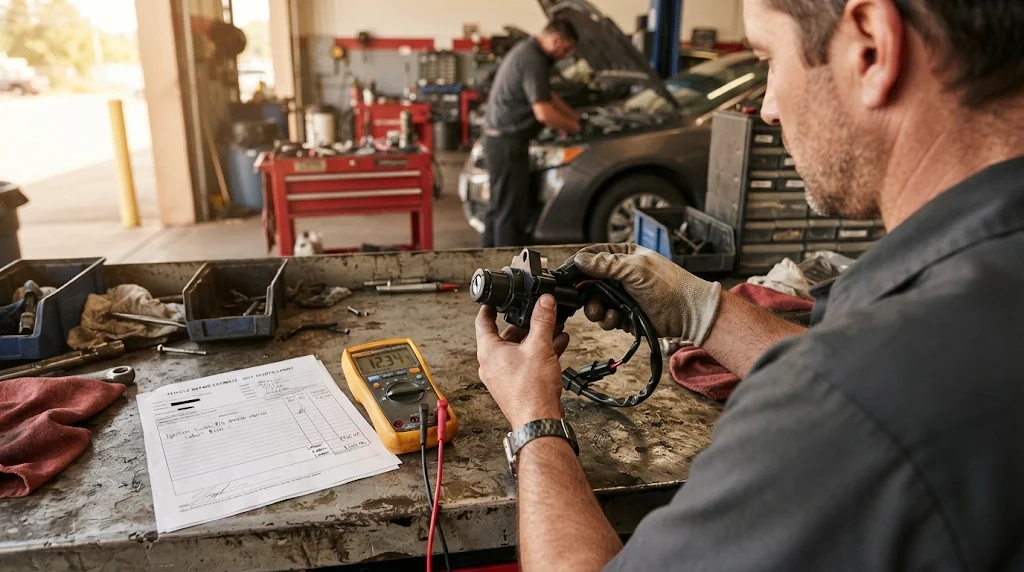
The total replacement bill generally includes the ignition switch and the labor needed to install it. Some shops also charge separately for diagnosis, electrical testing, or additional repairs.
The following table compares published estimates from RepairPal and Jerry.
| Cost category | Estimated cost | Source or explanation |
|---|---|---|
| Replacement switch | $130 to $148 | RepairPal parts estimate |
| Labor | $114 to $167 | RepairPal labor estimate |
| Typical replacement total | $244 to $315 | RepairPal national estimate |
| Broader repair range | $200 to $550 | Jerry repair cost guide |
The estimates show why an ignition switch repair quote should separate parts and labor. Your vehicle, location, and additional work determine the final amount.
How Much Does the Ignition Switch Part Cost?
The price of an electrical ignition switch varies with vehicle compatibility and the type of replacement part. RepairPal’s published parts estimate is $130 to $148 for its national replacement calculation.
Original equipment parts are designed to match the vehicle manufacturer’s specifications. Aftermarket parts are produced by other suppliers and may offer different prices or warranty terms.
Make sure the selected switch matches your vehicle’s ignition system. A similar-looking part may have different electrical connections or mounting requirements.
How Much Does Ignition Switch Labor Cost?
Ignition switch labor depends mainly on access, repair complexity, and the shop’s hourly rate. RepairPal estimates labor charges at $114 to $167 for a typical replacement.
Some switches sit behind removable steering column covers. Other assemblies require additional disassembly to reach the electrical components.
A technician must also confirm that the replacement switch functions correctly. Diagnostic testing and security programming may increase the total labor charge.
Are Diagnostic Fees Included?
Diagnostic fees are not automatically included in every ignition switch replacement estimate. Some shops quote diagnosis separately, while others may apply the fee toward an approved repair.
Ask whether the estimate includes electrical testing before the switch is removed. Paying for a confirmed diagnosis can prevent replacing a working component.
What Makes Ignition Switch Replacement More Expensive?
Replacement costs increase when the vehicle requires expensive components, difficult access, or additional security system work. Several factors determine whether the repair stays within a typical estimate.
Vehicle Make and Model
Different vehicles use different ignition switch designs. A basic key-operated switch may be separate from the mechanical lock, while another vehicle may use an integrated assembly.
Part availability also affects the quotation. A vehicle-specific replacement assembly may cost more than a commonly available electrical switch.
Steering Column Accessibility
An ignition switch hidden behind multiple steering column components usually requires more labor. Additional disassembly increases the time needed to access and replace the faulty component.
Some vehicles require specialized procedures near steering column security hardware. These repairs should follow the manufacturer’s service instructions.
Security System Programming
Some ignition repairs require programming when the work involves a security module, immobilizer, or replacement keys. The immobilizer is the system that verifies an authorized key before allowing the engine to start.
A simple electrical switch replacement may not require programming. Ask the mechanic whether your specific vehicle needs electronic setup after installation.
Repair Shop Location
Repair shop labor rates vary by location and business type. A dealership, independent repair shop, and mobile technician may quote different amounts for the same vehicle.
Compare the complete service rather than the hourly rate alone. Diagnostic equipment, experience, and warranty coverage also affect the value of the repair.
Additional Damaged Components
A damaged lock cylinder, wiring connector, or related ignition component can increase the final repair bill. Replacing the electrical switch alone will not correct unrelated faults.
Request an itemized explanation whenever the shop recommends additional parts. Each repair should address a confirmed problem.
What Are the Signs of a Faulty Ignition Switch?
A faulty ignition switch can interrupt electrical power or prevent the starter circuit from receiving the correct signal. However, several other vehicle problems can produce similar symptoms.
The Engine Does Not Start
A failed ignition switch may prevent the vehicle from sending the required starting signal. The engine might not crank even when other electrical components appear to work.
Battery problems, starter faults, and safety interlocks can cause the same symptom. Testing is necessary before blaming the ignition switch.
Dashboard Lights Behave Unexpectedly
Intermittent electrical contact inside an ignition switch may cause dashboard lights or accessories to lose power. The behavior may change between ignition positions.
Loose wiring and charging problems can also affect electrical power. A technician should inspect the circuit rather than relying on dashboard behavior alone.
The Vehicle Stalls Unexpectedly
A faulty ignition switch can sometimes interrupt circuits needed for engine operation. Depending on the vehicle, this may contribute to sudden engine shutdown.
Unexpected stalling is a safety concern because the driver can lose engine power while moving. A vehicle showing this symptom needs prompt professional diagnosis.
The Key Becomes Difficult to Turn
A key that will not turn often points toward the mechanical lock cylinder rather than the electrical switch. Steering lock tension or a worn key can also contribute.
Do not force the key or attempt to turn it with excessive pressure. Forcing a stuck mechanism can damage the key or ignition assembly.
The Car Starts Only Sometimes
Intermittent starting problems can result from inconsistent electrical contact in an ignition circuit. However, a weak battery, starter relay, or loose connection can produce similar behavior.
Record whether the dashboard lights illuminate and whether the starter cranks. These observations can help a mechanic narrow down the problem.
How Do Mechanics Diagnose a Bad Ignition Switch?
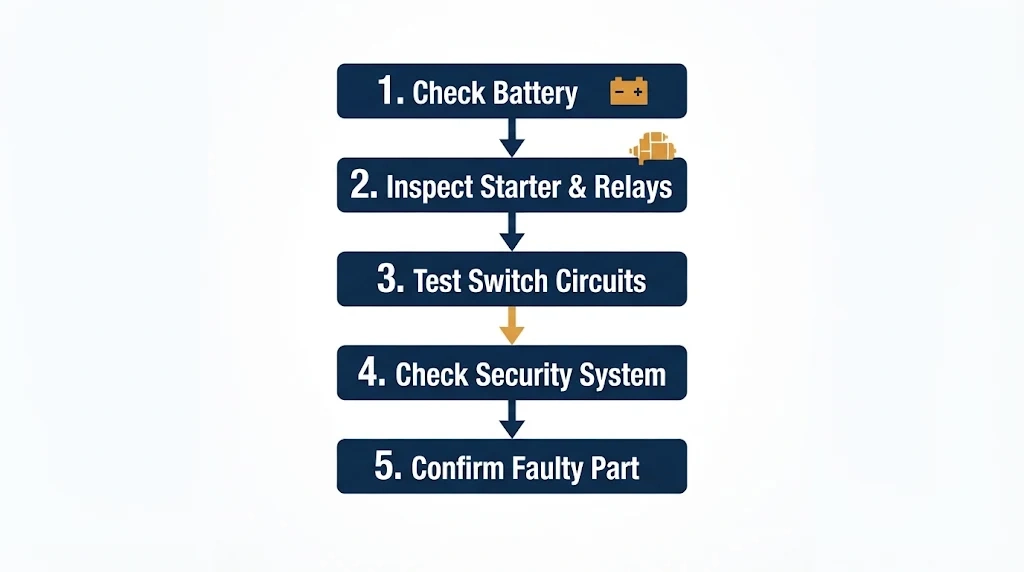
Mechanics diagnose ignition switch problems by checking related starting components and testing the switch’s electrical operation. A complete diagnosis helps confirm which part actually failed.
- Check battery condition. The technician checks battery voltage, terminals, and electrical connections. A weak battery can prevent normal starting.
- Inspect starting system components. The starter motor, relays, fuses, and related circuits are checked when the symptoms justify testing.
- Test ignition switch circuits. The technician checks electrical outputs as the ignition changes positions. Incorrect signals can indicate switch failure.
- Check vehicle security systems. Immobilizer faults or key authorization problems are investigated when relevant.
- Confirm the failed component. The mechanic identifies the defective part before preparing the replacement estimate.
RepairPal explains this diagnostic approach in its ignition switch replacement guide.
A proper diagnosis can prevent unnecessary spending on replacement parts. It also helps reveal whether the problem lies in the electrical switch or elsewhere in the starting system.
What Happens During Ignition Switch Replacement?
Ignition switch replacement involves removing the faulty component, installing the correct part, and verifying normal operation. The exact procedure depends on the vehicle’s steering column and ignition design.
- Confirm the diagnosis. The technician verifies that the electrical ignition switch requires replacement.
- Prepare the vehicle. The mechanic follows vehicle-specific safety procedures before working near electrical or steering column components.
- Access the ignition switch. Necessary trim panels and retaining components are removed according to the service instructions.
- Remove the faulty switch. The technician disconnects the appropriate electrical connector and releases the switch assembly.
- Install the replacement. The correct switch is fitted and connected securely.
- Verify operation. The mechanic checks starting behavior, ignition positions, and related electrical functions.
Some vehicles require additional steps involving ignition locks or electronic security equipment. The manufacturer’s repair instructions determine the correct procedure.
Ignition Switch Versus Other Starting System Repairs
Ignition switch failure is only one possible cause of starting trouble. Identifying the actual fault prevents unnecessary replacement costs.
The following table compares common starting system problems and their typical diagnostic clues.
| Component | Possible symptom | Diagnostic focus |
|---|---|---|
| Ignition switch | Intermittent power or no crank | Switch output and circuit testing |
| Ignition lock cylinder | Key sticks or will not turn | Mechanical lock and key condition |
| Battery | Weak or absent cranking | Battery condition and connections |
| Starter motor | Engine fails to crank | Starter power, ground, and operation |
| Immobilizer system | Starting prevented by key authorization | Security codes and key recognition |
No single symptom proves that an ignition switch is defective. Electrical testing is the most reliable way to determine which component needs attention.
Ignition Switch Versus Ignition Lock Cylinder
The electrical ignition switch and mechanical lock cylinder perform different jobs. The lock cylinder accepts and turns the key, while the switch controls electrical circuits.
Replacing the switch does not always require replacing the cylinder. Likewise, a damaged cylinder may need repair even when the electrical switch works correctly.
Ignition Switch Versus Starter Motor
The ignition switch helps command the starting process, while the starter motor physically cranks the engine. A fault in either component can produce a no-crank condition.
Testing the start signal helps identify which part of the circuit has failed. Replacing the starter without checking the command circuit may not solve the problem.
How Long Does It Take to Replace an Ignition Switch?
Ignition switch replacement time depends on vehicle access, electrical testing, and whether programming is needed. Jerry reports approximately 0.7 to 2.0 labor hours for many ignition switch repairs.
The service appointment may take longer than the listed labor time. Diagnosis, parts availability, and shop scheduling can affect when the vehicle is ready.
Integrated ignition systems may need additional testing or electronic setup. Jerry discusses these variables in its ignition switch repair cost guide.
Ask the shop whether its estimate includes diagnosis and post-repair verification. These activities can affect the amount of time the vehicle remains at the workshop.
Can You Replace a Faulty Ignition Switch Yourself?
Some simple ignition switches can be replaced by an experienced home mechanic. However, steering column access and vehicle security systems can make the job unsuitable for beginners.
Modern vehicles may have airbag wiring and protected ignition components near the repair area. Incorrect disassembly can cause injury or damage expensive electrical equipment.
Warning
Improper work near steering column airbag wiring can cause serious injury. Use manufacturer-approved procedures or hire a qualified technician.
When Does DIY Replacement Make Sense?
DIY replacement may be practical when the switch is accessible and the repair requires no specialized programming. The owner must understand the vehicle’s electrical system and safety procedures.
Follow the exact service manual for the vehicle. A generic replacement procedure may omit important security or electrical precautions.
When Should You Hire a Professional?
Professional replacement is preferable when diagnosis is uncertain or the repair involves airbags, immobilizers, or steering column security hardware. A qualified technician can also verify proper switch operation.
Professional service may include a parts or labor warranty. Ask about the coverage before approving the job.
Is It Safe to Drive With a Bad Ignition Switch?
Driving with a failing ignition switch can be unsafe because an intermittent electrical fault may interrupt engine operation. The risk depends on the exact failure and vehicle design.
If the engine stalls while driving, move safely out of traffic when possible. Arrange professional inspection before using the vehicle again.
A vehicle that occasionally fails to start may also leave you stranded. Intermittent symptoms should not be ignored simply because the engine starts on another attempt.
Do not attempt roadside modifications to bypass ignition wiring. Improper electrical changes can create additional safety and security problems.
How Can You Reduce Ignition Switch Replacement Costs?
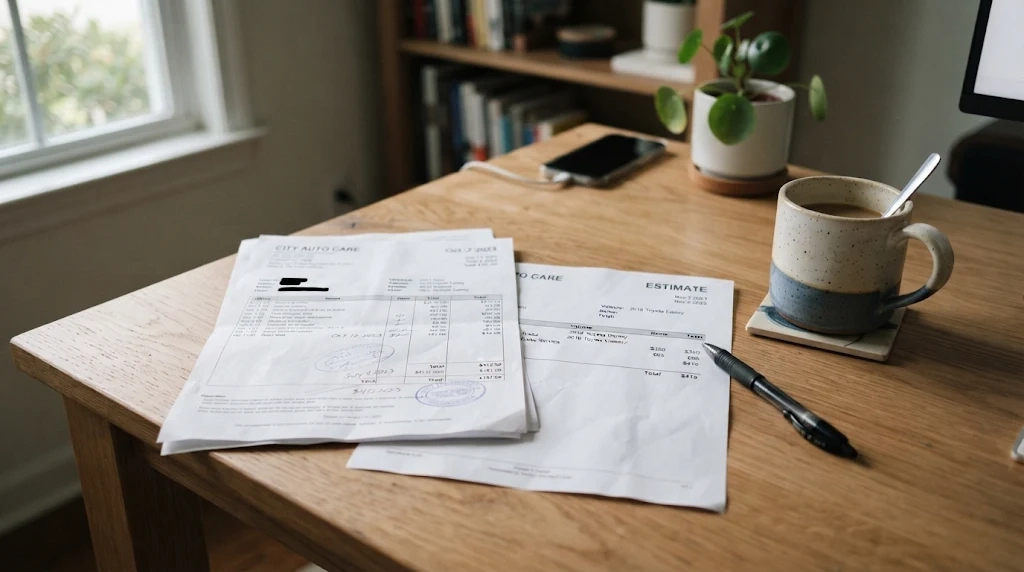
The most effective way to control repair costs is to confirm the diagnosis and compare complete estimates. Avoid buying replacement parts until the failed component is identified.
Get an Itemized Repair Estimate
An itemized estimate separates the replacement part, labor, diagnosis, and additional charges. This makes different repair quotations easier to compare.
Ask whether the shop has included taxes, programming, and electrical testing. A low initial quotation may not include every required service.
Compare Qualified Repair Shops
Independent repair shops and dealerships may charge different amounts for ignition switch work. Compare technicians who have experience with your vehicle’s ignition system.
Choose a shop that can explain its diagnosis. A lower price is less useful when the recommended repair does not address the actual problem.
Ask About Replacement Part Options
Some vehicles offer both original equipment and aftermarket ignition switches. The correct choice depends on compatibility, build quality, and warranty coverage.
Ask the technician whether an alternative part meets the vehicle’s requirements. Do not choose a cheaper component solely because its price is lower.
Check for Open Safety Recalls
A vehicle with an applicable open ignition-related safety recall may qualify for a repair without charge. Recall eligibility depends on the vehicle identification number and the recall campaign.
Use the NHTSA vehicle recall lookup to check for open recalls before approving a related repair.
Contact the manufacturer or an authorized dealership if a recall appears. They can explain the required repair and applicable instructions.
Keep Records of Previous Repairs
Previous repair invoices can help a technician understand recurring starting problems. They may also show whether a related component was replaced under warranty.
Provide the shop with any available diagnostic reports and relevant service history. Clear information can help avoid repeating unnecessary work.
What Should You Check Before Paying for the Repair?
Before approving ignition switch replacement, confirm the diagnosis, repair scope, and expected final charge. A clear estimate reduces confusion and unexpected expenses.
Use the following checklist when reviewing the quotation.
- Confirm the electrical ignition switch is defective.
- Ask whether the lock cylinder also needs work.
- Check whether diagnosis is included in the price.
- Verify the replacement part fits your vehicle.
- Ask whether key or security programming is required.
- Review parts and labor warranty terms.
- Request the final estimated total before authorizing repairs.
After replacement, verify normal starting and shutdown behavior. Check that dashboard accessories and ignition functions operate as expected.
If the original symptoms remain, return to the repair shop for further diagnosis. Additional parts should not be replaced without confirming the cause.
Ignition Switch
A replacement ignition switch restores the electrical switching function when the original component has been confirmed faulty. Check vehicle compatibility before ordering.
Frequently Asked Questions
Will replacing an ignition switch change my car key?
Replacing only the electrical ignition switch usually allows you to keep using the original key. The mechanical lock cylinder normally remains in place during a separate electrical switch replacement.
If the repair includes a new lock cylinder, a different key may be necessary. Ask the technician whether the replacement will affect your existing keys.
Can a faulty ignition switch drain the battery?
A faulty ignition switch may contribute to battery drain if it leaves an electrical circuit powered when the vehicle should be off. However, many battery drain problems have unrelated causes.
A technician can perform a parasitic draw test to investigate unwanted electrical consumption. Replacing the switch without confirming the cause may not solve the problem.
Can an ignition switch fail without warning signs?
An ignition switch can fail without obvious warning, although some vehicles develop intermittent starting or electrical symptoms beforehand. The behavior depends on how the component fails.
Sudden starting failure should prompt checks of the battery, starter, and related electrical circuits. A technician can determine whether the ignition switch caused the failure.
Should a mechanic or locksmith repair ignition problems?
An automotive mechanic is generally suited to diagnosing electrical ignition switch problems, while an automotive locksmith may specialize in keys and lock cylinders.
Some repair providers handle both types of work. Choose a qualified specialist based on the failed component and the vehicle’s security requirements.
Does replacing the ignition switch fix every no-start problem?
Replacing an ignition switch fixes a no-start problem only when the switch is responsible for the failure. Battery, starter, wiring, and security system faults require different repairs.
A mechanic should verify the failed circuit before replacing parts. If the vehicle still will not start after replacement, further diagnosis is necessary.
Does a replacement ignition switch come with a warranty?
Replacement ignition switches may include a parts warranty, while repair shops may offer separate labor coverage. Warranty terms depend on the supplier, component, and service provider.
Ask for the warranty details in writing before paying. Confirm what happens if the replacement component fails or the original problem returns.
Can jump-starting a car fix a bad ignition switch?
Jump-starting cannot repair an electrically defective ignition switch because the switch itself still needs to function correctly. A jump-start may help when insufficient battery power causes the starting problem.
If the vehicle starts with external battery assistance, check the battery and charging system. That result alone does not prove whether the ignition switch works properly.
Conclusion
How much does it cost to replace a faulty ignition switch? RepairPal estimates $244 to $315 for a typical replacement, although complex repairs may cost more.
Before paying, have a qualified technician confirm the failed component and provide an itemized estimate.

Alex Carter is an automotive content writer at VastAutoParts, focusing on car parts, vehicle troubleshooting, automotive tools, product research, and practical car care guides.